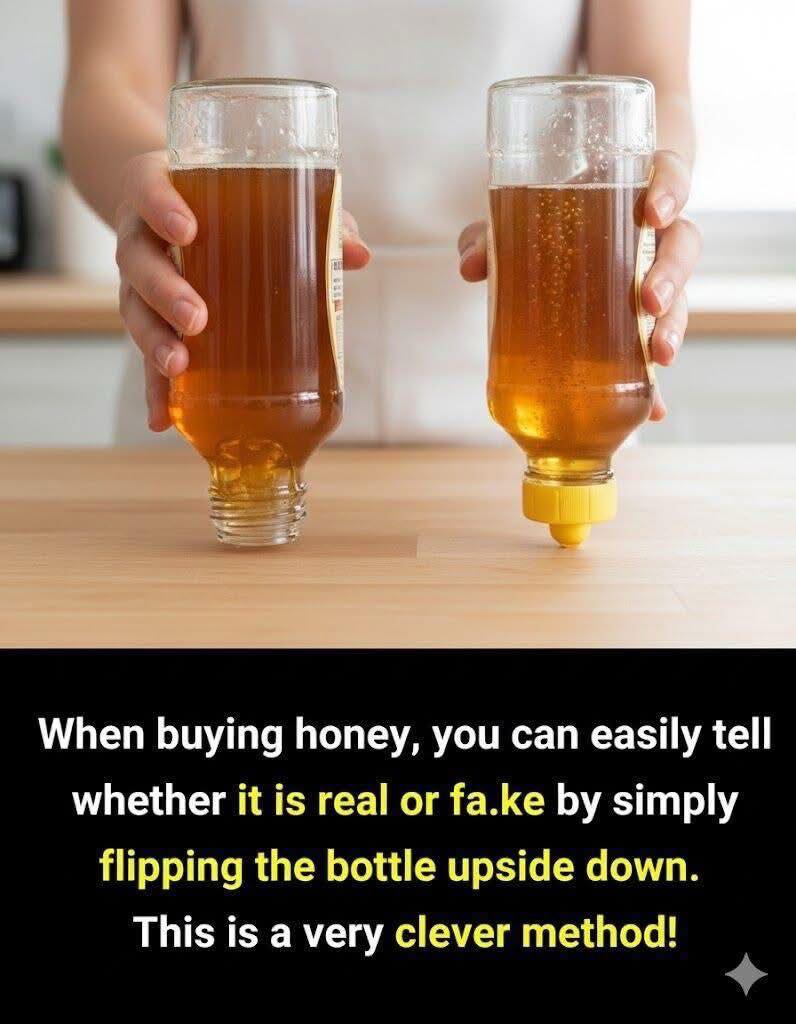
1. Temperature Changes Everything
Honey is very sensitive to heat. “Real honey thins when warm and thickens when cold.” If you are testing a bottle in a warm kitchen or on a hot summer day, even the purest honey can become runny. This might make you think it is fake when it is actually perfect. Conversely, even cheap syrup can look thick if it has been sitting in a cold pantry.
2. Processing Affects Texture
The way honey is prepared for the store matters. “Commercially filtered, pasteurized honey (even 10 – 100% pure) is often thinner than raw, unfiltered honey due to heating and fine filtering.” When honey is heated to prevent it from crystallizing, it becomes smoother and less dense. This doesn’t mean it isn’t real; it just means it has been processed for a longer shelf life.
3. Some Fakes Are Thick Too
Unfortunately, those who make “fake” honey are becoming more clever. “Adulterated honey can be blended with high-fructose corn syrup or thickeners to mimic real honey’s viscosity—fooling the flip test.” Modern additives can perfectly recreate that slow-moving bubble, making the test useless against high-quality imitations.
4. Bottle Shape Matters
The container itself can change how the liquid moves. “Narrow necks slow flow; wide openings speed it up—regardless of honey quality.” The air pressure inside the bottle and the shape of the plastic or glass can affect how fast that bubble travels.
More Reliable Ways to Test Honey at Home
Since the bottle flip isn’t 100% accurate, you might want to try these other methods. Using a combination of these is usually much better than relying on just one.
The Thumb Test
This is one of the simplest ways to check for water content.
Put a small drop of honey (about 1/8 of a teaspoon) on your thumb.
Real honey stays intact and doesn’t spread or drip.
Fake honey spreads, wets the skin, or drips due to added water.
The Water Test
This is a classic experiment that shows how honey reacts to moisture.
Fill a glass with water and add a spoonful of honey.
Real honey sinks to the bottom as a lump and doesn’t dissolve immediately.
Fake honey dissolves quickly or disperses in the water.
The Paper Test
Because pure honey has very little water, it shouldn’t soak into paper easily.
Place a small amount of honey on a piece of tissue paper or a paper towel.
Real honey won’t soak through.
