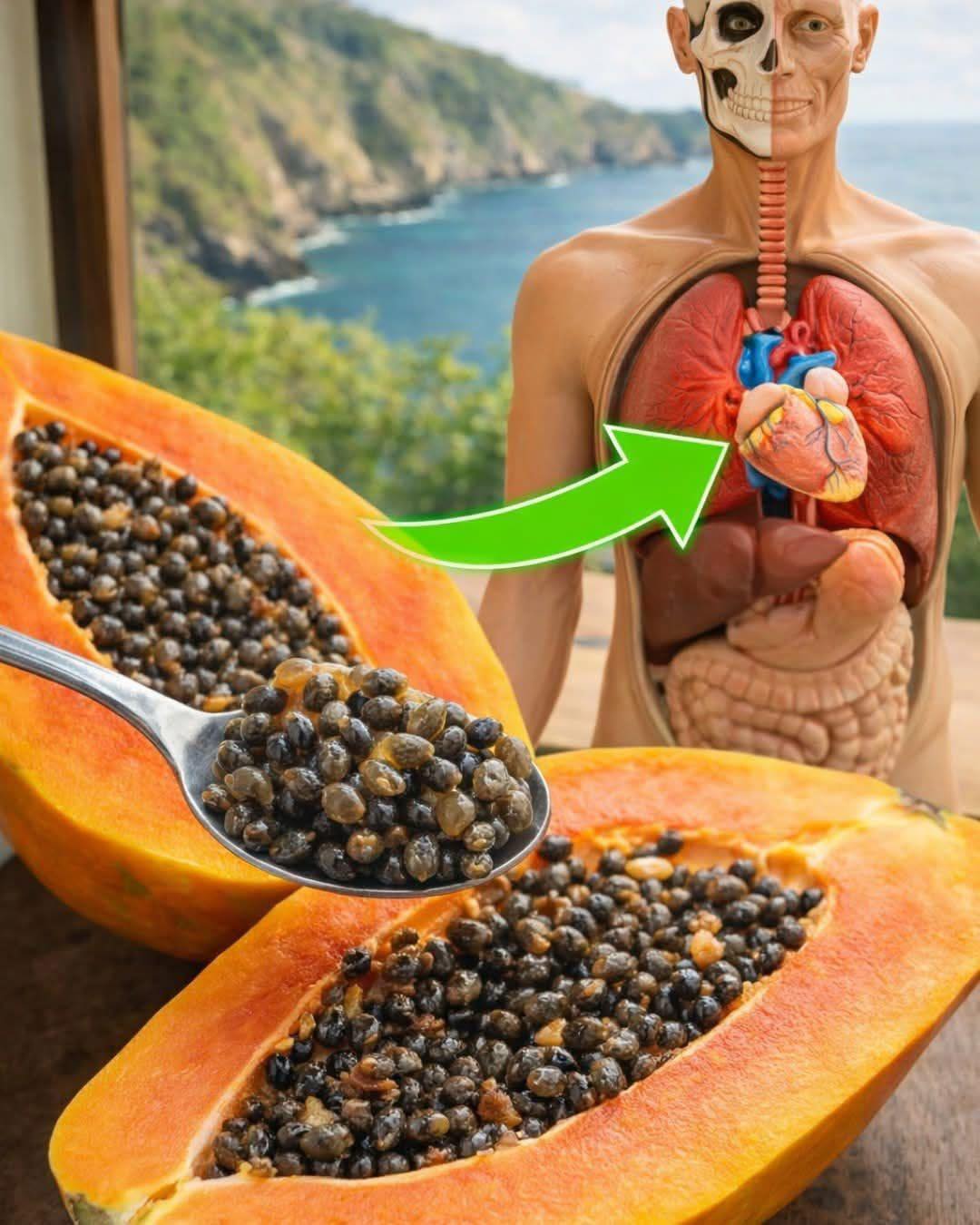
— Which supports healthy digestion and regularity.Monounsaturated fatty acids (like oleic acid) — Similar to those found in olive oil, potentially contributing to balanced cholesterol levels.Antioxidants such as polyphenols and flavonoids — These help combat everyday oxidative stress.Unique compounds like benzyl isothiocyanate — A phytochemical also present in cruciferous vegetables, studied for its potential protective properties.Research, including studies published in journals like Molecules and Evidence-Based Complementary and Alternative Medicine, has explored how these elements may offer antioxidant support and contribute to general health maintenance.But that’s not all… these seeds have a peppery, slightly bitter flavor reminiscent of black pepper or horseradish, which is why many people choose to blend them into other foods rather than eat them plain.Potential Wellness Support from Small Daily AmountsWhile no food is a miracle solution, emerging evidence suggests papaya seeds could play a supportive role in several areas when included as part of a balanced diet.Studies in test-tube and animal models have indicated that compounds in papaya seeds may exhibit anti-inflammatory properties and support the body’s natural defense against oxidative stress. For instance, antioxidant activity has been noted in extracts from the seeds, potentially aiding cellular health.Here’s a quick look at some researched areas:Digestive wellness — The fiber content may promote regularity and ease occasional constipation, as higher fiber intake has been linked to improved gut motility in multiple reviews.Antiparasitic interest — A small pilot study on children in Nigeria found that air-dried papaya seeds mixed with honey showed promise in supporting clearance of certain intestinal parasites, though more comprehensive human research is needed.Liver and kidney support