When Should You See a Doctor?
Occasional small stones are harmless. Seek medical advice if you experience:
- Stones larger than a pea
- Severe throat pain or difficulty swallowing
- Swollen tonsils that don’t improve
- Fever or signs of infection
- Bad breath that affects your work or relationships despite good hygiene
In rare cases, chronic tonsil stones are solved permanently with tonsillectomy (tonsil removal) — a quick outpatient procedure with high satisfaction rates.
Conclusion
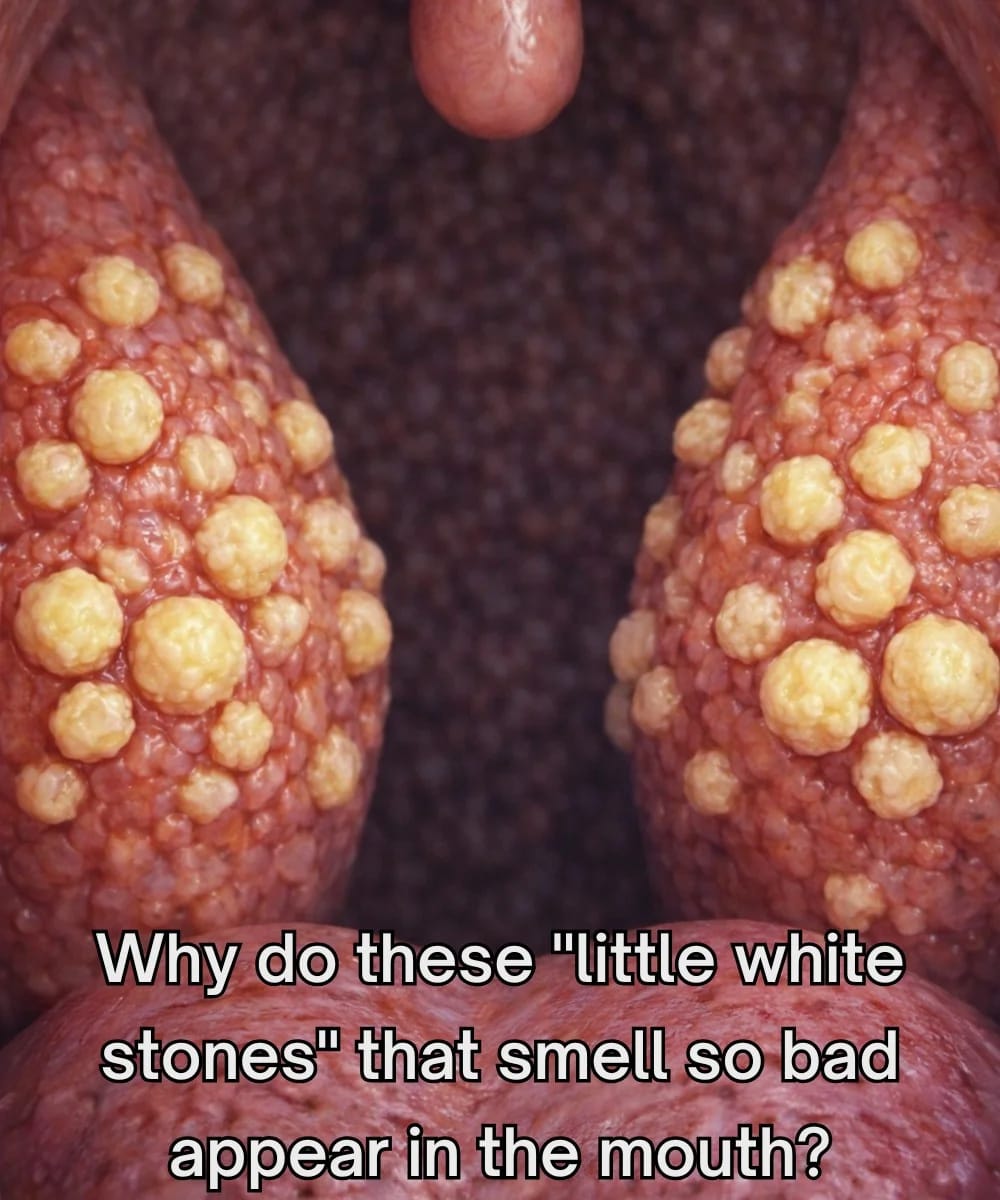
Those smelly white “stones” in your throat are almost always tonsil stones — harmless but incredibly annoying little calcifications that love to ruin your confidence. By understanding why they form and using gentle removal and prevention techniques, you can finally say goodbye to bad breath and that constant “lump” sensation.
Start tonight with a simple salt-water gargle and better tongue brushing — most readers notice a difference within days.
Frequently Asked Questions
1. Are tonsil stones contagious?
No. They’re made of your own debris and bacteria, not a virus or infection you can pass to others.
2. Can tonsil stones go away on their own?
Yes — many dislodge naturally when you cough, sneeze, or eat crunchy foods.
3. Do tonsil stones mean I have bad hygiene?
Not necessarily. Even people with excellent oral care get them because of tonsil structure or post-nasal drip.
Disclaimer: This article is for informational purposes only and is not a substitute for professional medical advice. Always consult a qualified healthcare provider or ENT specialist if you have persistent symptoms or concerns about your throat health.
