9. Brain Fog and Memory Lapses
You walk into a room and forget why. You pause mid-sentence searching for a word. These moments can feel scary, especially if you’ve always been sharp. Research suggests hormonal changes may temporarily affect cognition. The good news? Many women find clarity improves over time.
But our next symptom is one women rarely discuss openly.
8. Changes in Body Odor
You may notice you smell different—even when your routine hasn’t changed. Hormonal fluctuations can influence sweat composition and temperature regulation. It’s subtle, yet unsettling. Women often whisper about this symptom, but few realize how common it is.
And speaking of discomfort…
7. Joint and Muscle Aches
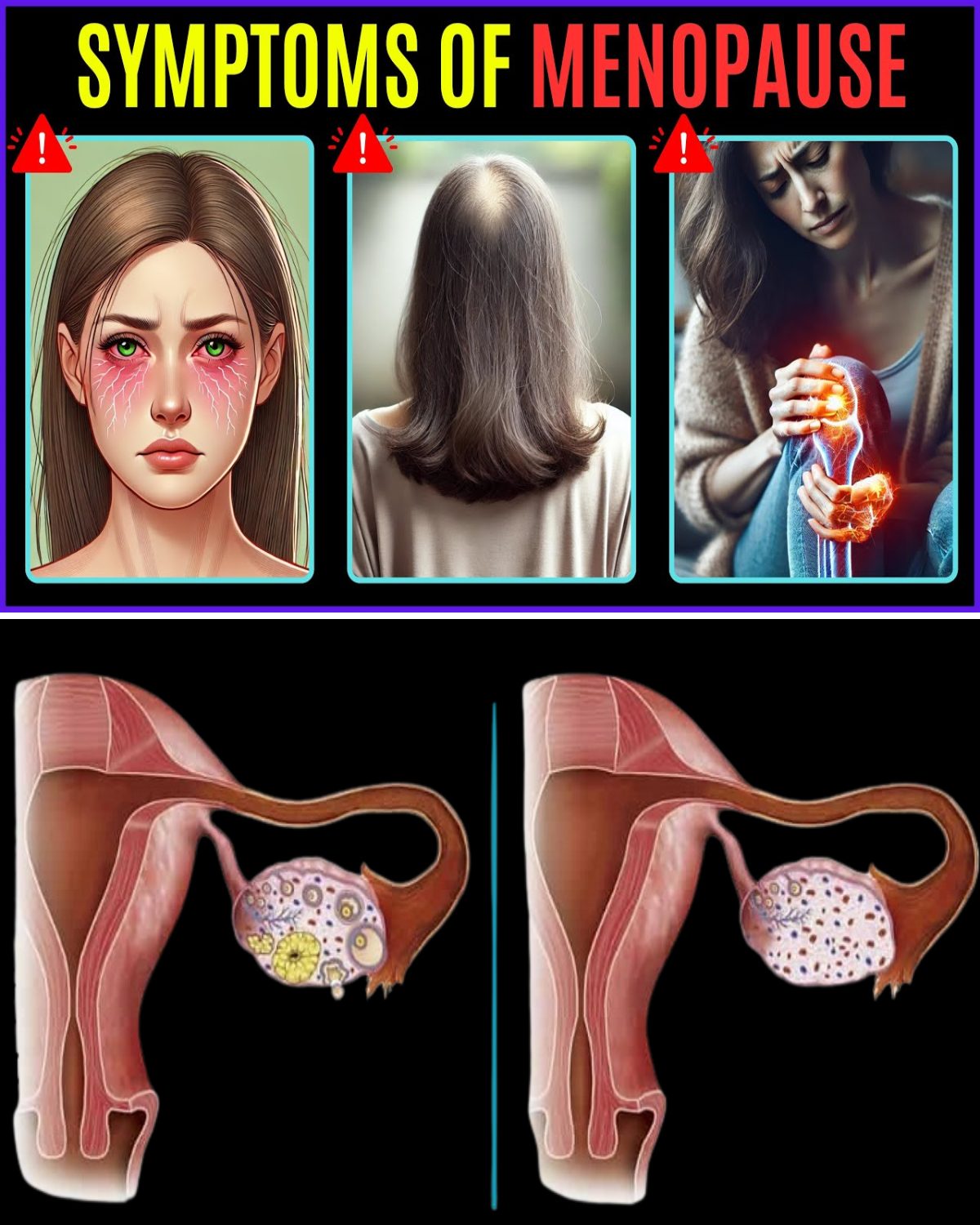
Lisa, 49, woke up one morning feeling as if she’d run a marathon overnight. Tight hips, stiff knees, and sore hands can all appear during this transition. Changes in estrogen may influence inflammation and tissue elasticity, making joints feel older than they are.
But the next symptom may feel even more disruptive.
6. Digestive Upset
Bloating. Gas. Slower digestion. You may feel your stomach behaves differently from one week to the next. Hormonal changes can influence gut motility and microbial balance, leaving you wondering what suddenly changed.
And then comes a symptom that often catches women completely off guard.
5. Tingling Hands and Feet
A soft buzzing sensation in your fingers. A mild numbness in your toes. These sensations may feel unrelated to hormones, but they often appear during perimenopause. Women describe them as “annoying but concerning.”
Yet the emotional rollercoaster still has more surprises.
4. Increased Sensitivity to Stress
This is the symptom most women recognize but don’t name. Sounds feel louder. Minor problems feel bigger. You may feel overwhelmed faster, even though nothing major happened. Hormone shifts can heighten your stress response, making simple days feel complicated.
But the next one enters territory most women assume is unrelated.
3. Dry Eyes
Your eyes may burn, itch, or feel gritty—even if you’ve never had dryness before. Tears change in composition during hormonal fluctuations, leaving eyes feeling uncomfortably exposed. Many women don’t connect this to menopause at all.
Now we arrive at the final two—the ones women often struggle with the most.
