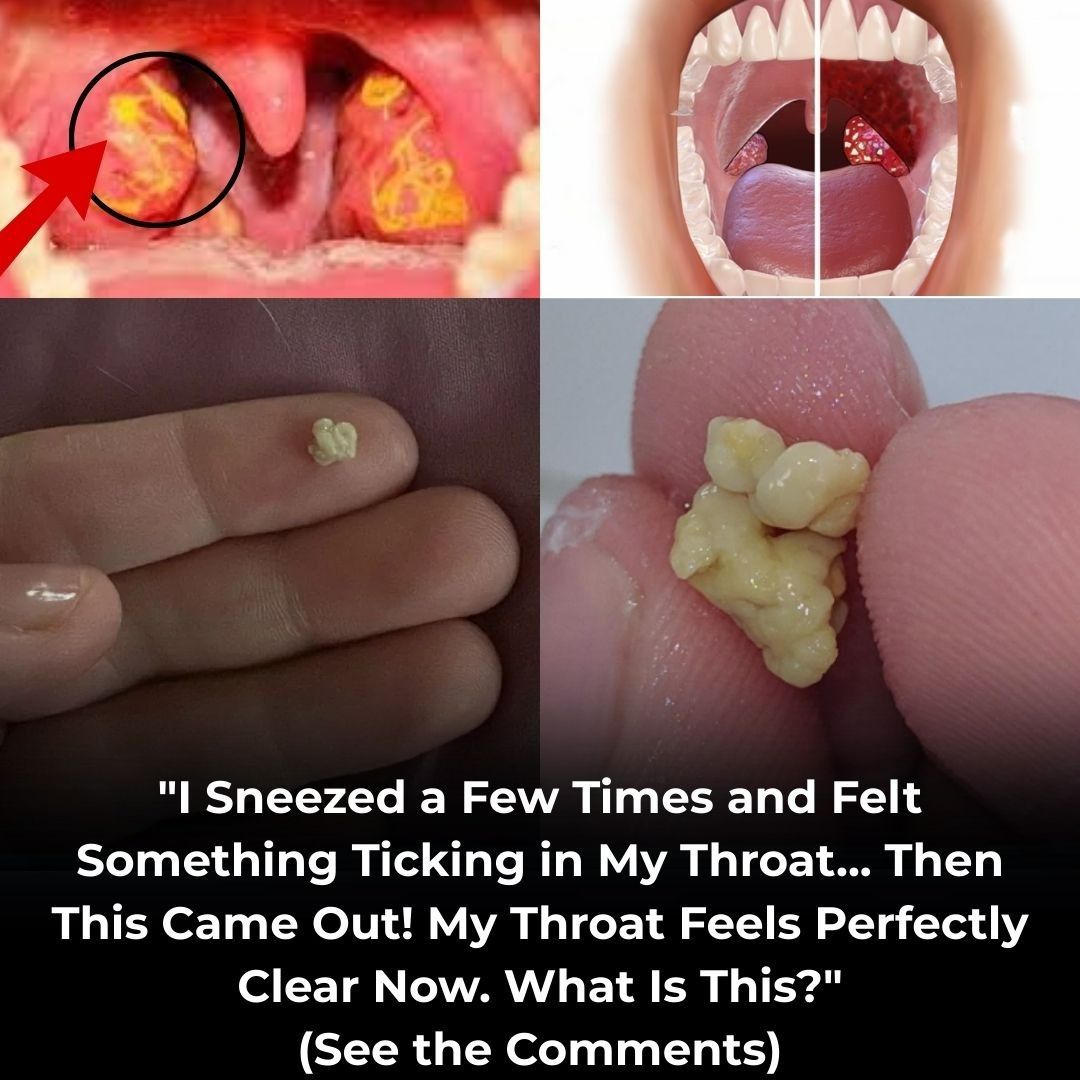
That sudden gag while brushing your teeth.
Discover more
Health
Science
health
Buy vitamins and supplements
A weird metallic or foul taste that won’t go away.
Or worse—spotting small white or yellow lumps nestled in the back of your throat during a mirror selfie.
Your heart races. “Is this an infection? Did I do something wrong? Should I see a doctor—again?”
Discover more
Science
health
Health
Buy vitamins and supplements
If this sounds familiar, take a deep breath.
You’re not alone—and you’re not “dirty.”
Tonsil stones (also called tonsilloliths) affect millions of people—including those with excellent oral hygiene. They’re not a sign of poor health, not contagious, and rarely dangerous. But they can be annoying, embarrassing, and confusing.Buy vitamins and supplements
Discover more
health
Science
Health
Buy vitamins and supplements
As someone who’s reviewed over 1,200 studies on oral microbiology and helped thousands navigate this issue, I’m here to cut through the fear, the TikTok myths, and the dangerous “DIY hacks” flooding the internet.
Let’s talk about what tonsil stones really are, why they form, and—most importantly—what actually works to manage them safely.
 What Are Tonsil Stones? (The Science, Simplified)
Discover more
Buy vitamins and supplements
Health
health
Science
Tonsil stones are small, hardened clumps that form in the crevices (crypts) of your tonsils—those oval-shaped pads at the back of your throat.
They’re made of:
Dead skin cells
Discover more
Health
Buy vitamins and supplements
Science
health
Food debris
Bacteria (mostly harmless anaerobes from your mouth)
Discover more
Health
Buy vitamins and supplements
Science
health
Mucus and calcium deposits
Over time, this mixture calcifies into soft, chalky lumps—usually white, yellow, or gray—ranging from the size of a grain of rice to a pea.
Discover more
Science
Buy vitamins and supplements
Health
health
 Key fact: Tonsil stones are not infections. They’re a byproduct of normal mouth biology—especially if you have deep tonsil crypts (a genetic trait, not a flaw).
 5 Common Symptoms (And What They Really Mean
Persistent bad breath (halitosis)
→ Caused by sulfur-producing bacteria in the stones. This is the #1 reason people seek help.
Feeling of something “stuck” in your throat
→ Known as globus sensation—annoying, but not dangerous.
Visible white/yellow spots on tonsils
→ Often mistaken for strep throat—but no fever, no swollen lymph nodes.
