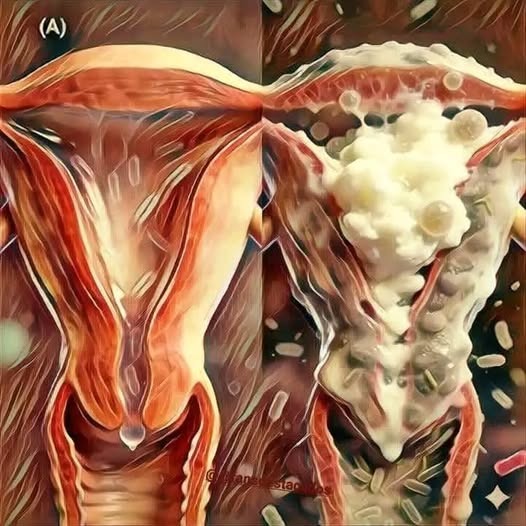
4. The importance of hygiene before and after sex
While urinating afterward is essential, it’s not the only thing that matters. Hygiene before intercourse also plays a key role. Washing the genitals with mild soap and water before and after sex helps reduce the presence of microorganisms and maintain a healthy vaginal flora, or natural bacterial balance.
In the case of women, it is advisable to avoid vaginal douches or soaps with strong fragrances, as these disrupt the natural balance and can cause irritation. In men, proper cleaning of the glans and foreskin area (when uncircumcised) is also essential.
5. What happens if you don’t urinate after sex
Ignoring this step may seem harmless at first, but over time it can lead to recurring problems. When bacteria manage to settle in the urethra or bladder, they begin to multiply. The result: frequent infections, discomfort when urinating, and in more serious cases, kidney infections.
Some men and women also report a burning or itching sensation, which is often an early sign of irritation or infection. Therefore, prevention is key, and a simple step like using the restroom after intercourse is often the best approach.
6. The difference between men and women on this issue
Women have a shorter urethra (around 4 cm), which makes it easier for bacteria to enter the urinary system. In men, the urethra is longer (approximately 20 cm), so urinary tract infections are less common, although not impossible.
