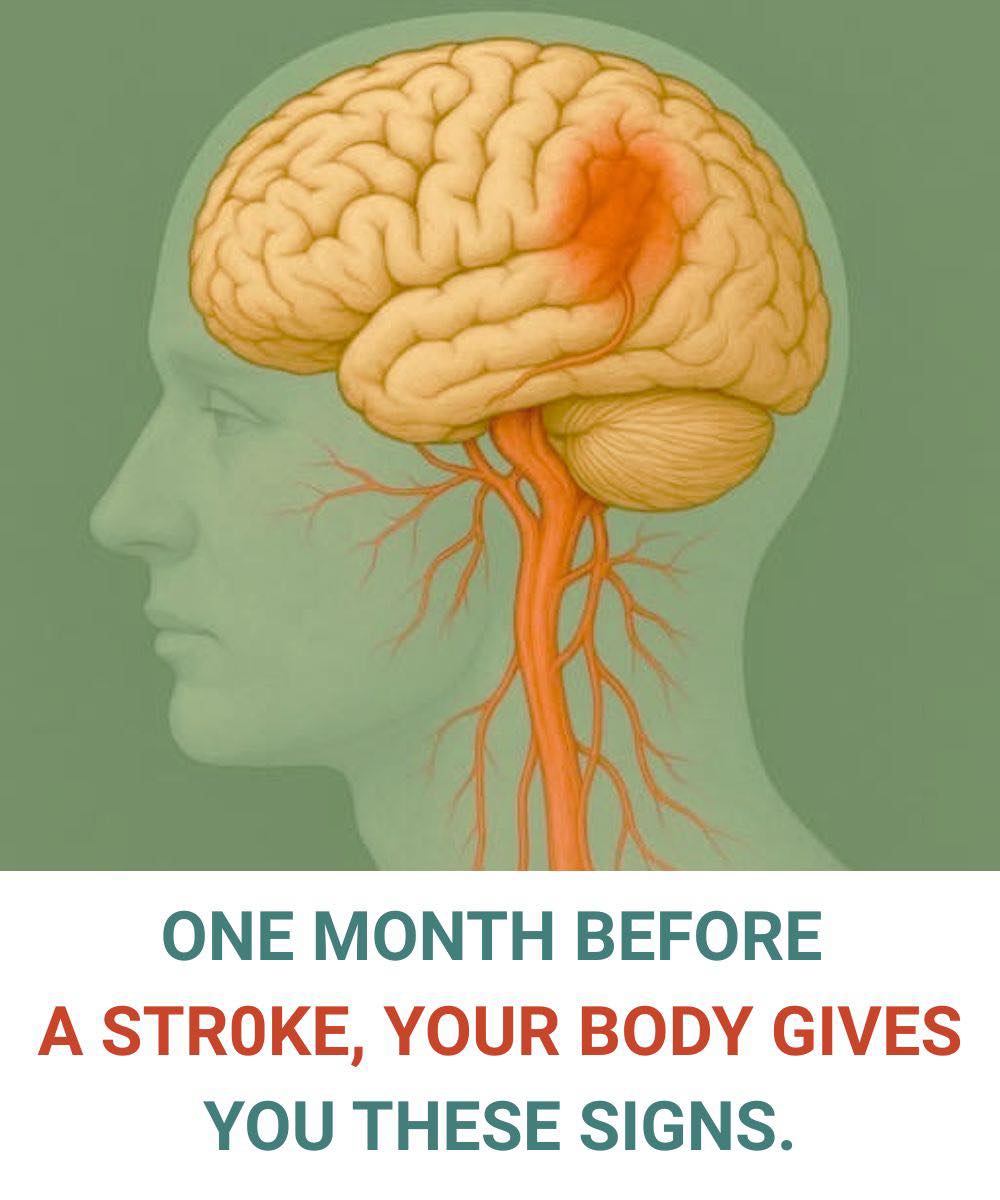
Everyone has moments when words don’t come out right. You may struggle to find the right phrase after a long day, mix up names when you’re stressed, or feel mentally foggy when you haven’t slept well. In most cases, these lapses are harmless and temporary. However, when confusion or speech difficulties appear suddenly and without a clear reason, they may be more than just fatigue.
Sudden confusion or trouble speaking can be one of the early warning signs of a stroke, and these symptoms are often subtle enough that people ignore them or explain them away. Understanding when these changes matter can help you respond quickly and potentially prevent serious damage.
What Does “Sudden Confusion” Really Mean?
Sudden confusion doesn’t always look dramatic. It may appear as difficulty concentrating, feeling disoriented, or struggling to understand what others are saying. Some people describe it as a “mental fog” that comes on abruptly, even though they felt fine just minutes earlier.
You might notice yourself asking the same question repeatedly, having trouble following a conversation, or feeling unusually slow when trying to process information. These changes are especially concerning if they happen suddenly and are not linked to obvious causes like illness, dehydration, or lack of sleep.
