Rubber or silicone: These flexible materials provide a soft fit and are particularly useful for those who sew for extended periods, offering comfort and support.
Leather or fabric: Leather thimbles are comfortable and provide a more flexible, snug fit, making them ideal for long sewing sessions.
Ceramic, porcelain, or glass: Usually decorative rather than functional, these materials are often used for collecting or as display pieces.
Metal thimbles are the most durable and commonly used, while leather thimbles are favored for comfort during prolonged sewing.
5. Thimbles as Collectibles
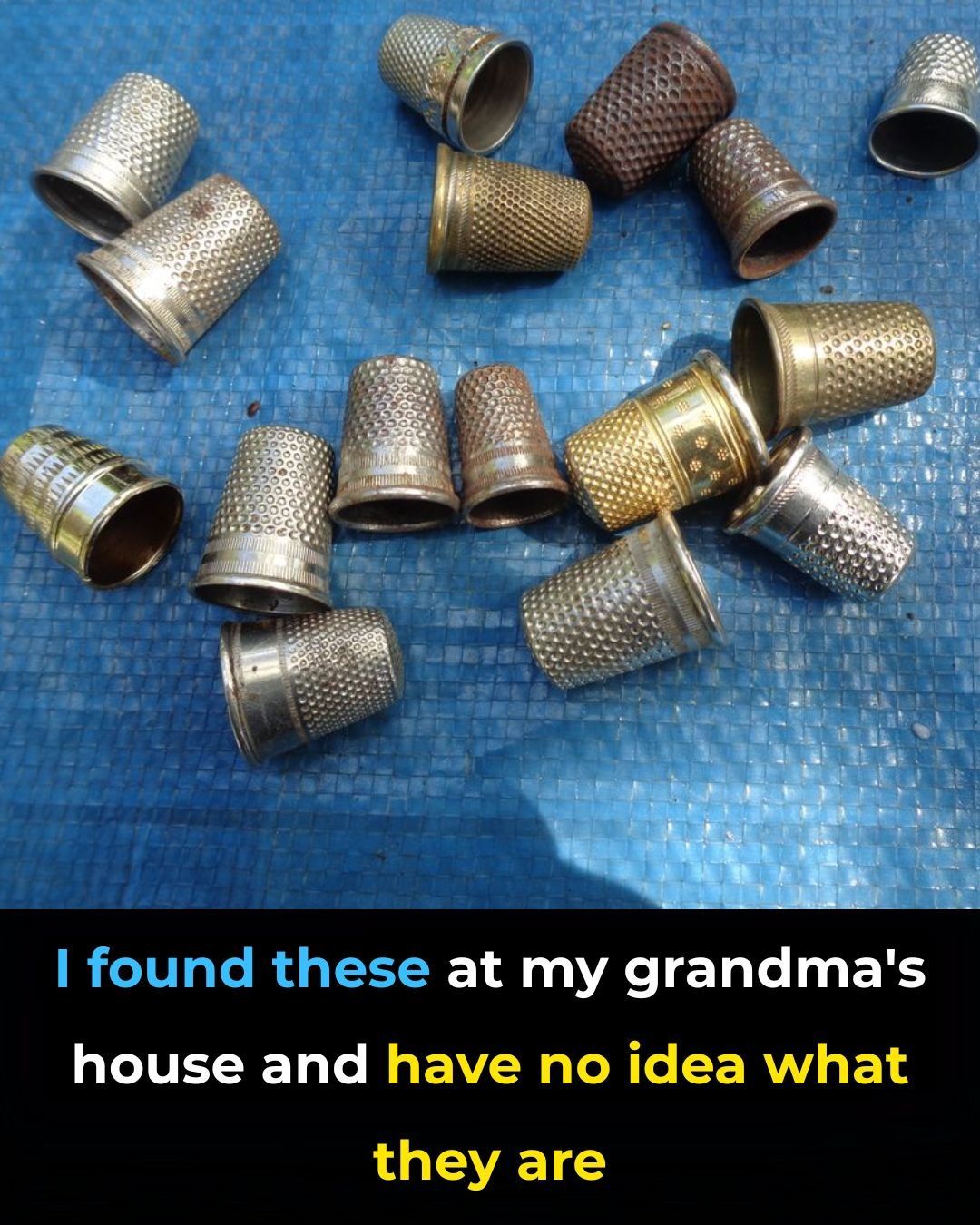
Thimbles have evolved from practical tools to valuable collectibles. This hobby, known as digitabulism, is enjoyed by many who collect these unique pieces for their historical or artistic value.
Some reasons why thimbles are collected include:
Unique designs, engravings, or artwork: Many thimbles feature intricate designs or engravings, making them highly desirable for collectors.
Commemorative editions: Thimbles are often made to commemorate cities, events, or museums, making them a popular souvenir.
Antique precious-metal thimbles: Old thimbles made from silver or gold are highly sought after by collectors, especially if they are in good condition.
Souvenir thimbles: These are popular for tourists and are collected from all over the world.
There are entire museums and clubs dedicated to the art of thimble collecting, and some collectors specialize in particular types of thimbles, such as those with historical significance or those made from rare materials.
6. Interesting Facts
Thimbles have fascinating cultural and historical significance:
Victorian era: In the Victorian era, thimbles were sometimes used as engagement gifts, symbolizing a woman’s role in homemaking and sewing for the family.
Unique indentations: Some thimbles have indentations shaped differently, depending on the type of sewing. For instance, straight stitch, quilting, and embroidery thimbles may feature unique patterns to assist with the specific motions involved in each craft.
Monopoly game: The board game Monopoly originally featured a thimble as one of its playing tokens, introduced in 1935. It has remained a beloved and iconic token.
Folklore: In old folklore, finding a silver thimble was considered a sign of good luck and prosperity, often thought to bring positive changes to the finder’s life.
Conclusion
