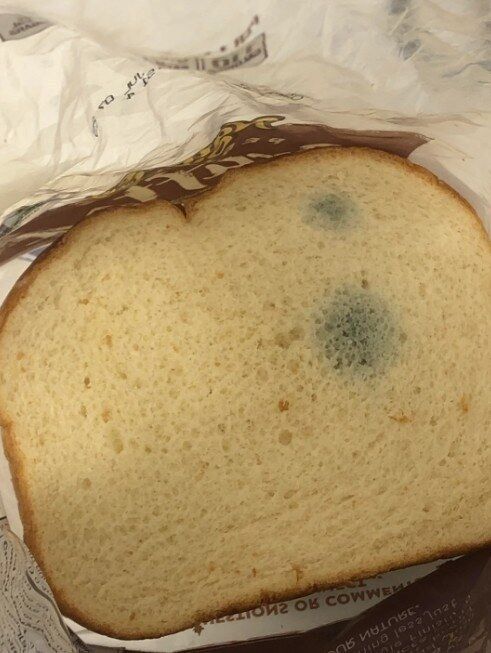
How to Tell If Your Bread Is Still Safe to Eat
A forgotten loaf of bread on the counter inevitably leads to one question: Is it just stale—or has it actually gone bad? Bread loses freshness quickly, but dryness doesn’t automatically mean danger. When bread becomes hard, it’s usually the result of moisture loss and a natural process called retrogradation. The texture may suffer, but as long as there’s no mold, stale bread is still safe to eat.
Stale Bread Isn’t Wasted Bread
The good news? Stale bread can be revived with almost no effort.
- Wrap it in foil and warm it in the oven to bring back softness.
- Toast it for improved flavor and a satisfying crunch.
These simple tricks help you get more life out of your loaf—reducing waste and enhancing taste.
Why Some Recipes Need Stale Bread
In many cases, stale bread isn’t just usable—it’s ideal. Dishes like:
- French toast
- Stuffing
- Croutons
- Bread pudding
all depend on bread that’s firm enough to absorb liquid without falling apart. Slightly hardened bread holds its shape better, improving texture and flavor.
