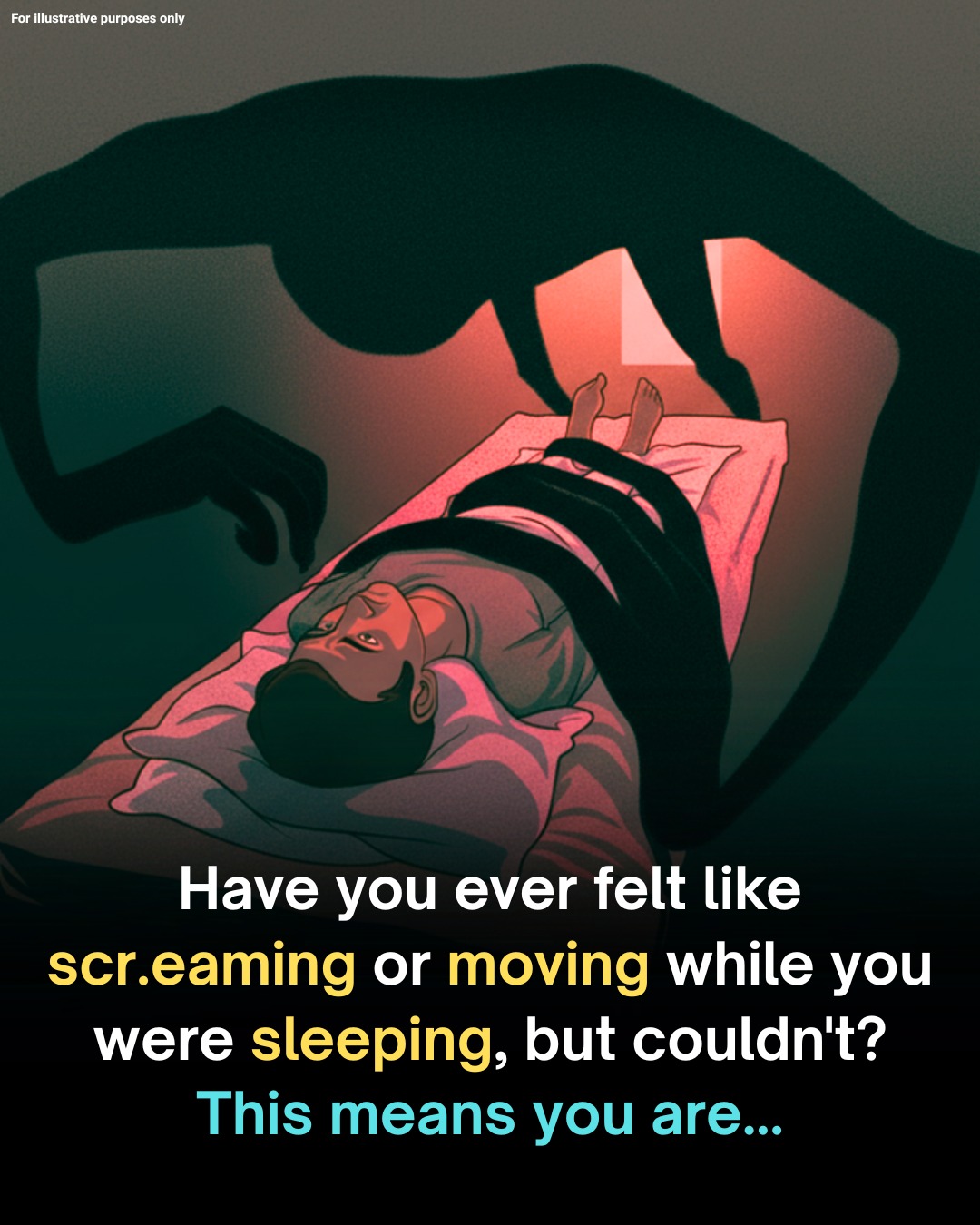
Is It Dangerous?
Here’s the good news: sleep paralysis isn’t harmful, even if it feels terrifying in the moment. It doesn’t mean something’s wrong with your body or brain, and for most people, it’s a rare and isolated event.
However, if it starts happening frequently or begins to affect your sleep quality, it’s worth discussing with a medical professional — especially if it’s tied to chronic stress, insomnia, or anxiety.
What To Do If It Happens
If you ever find yourself stuck in an episode, try to stay calm (easier said than done, we know). Here are a few quick tips:
- Focus on your breathing — slow, deep breaths can help center your mind.
- Avoid struggling or panicking — it can make the episode feel longer and more intense.
- Try to move a small muscle, like a finger or toe — sometimes this can help “unlock” the body.
- Remind yourself that this is temporary and will pass in a few seconds.
Can You Prevent It?
Absolutely. While you can’t control every aspect of your sleep, you can adopt habits that reduce your risk:
- Stick to a regular sleep schedule, even on weekends.
- Create a calming nighttime routine — think soft lighting, no screens before bed, and maybe a little light stretching or reading.
- Limit caffeine and alcohol, especially in the hours before sleep.
- Manage stress with mindfulness, journaling, or any activity that helps you unwind.
The Bottom Line
Sleep paralysis may be unsettling, but it’s also completely natural and well-understood by science. Understanding what’s happening — and why — can take away much of the fear that comes with it.
So if you ever wake up frozen in place, know this: you’re not alone, it’s not dangerous, and it will pass. With a little self-care and consistent sleep habits, you can help keep your nights peaceful and free of unwanted surprises.
