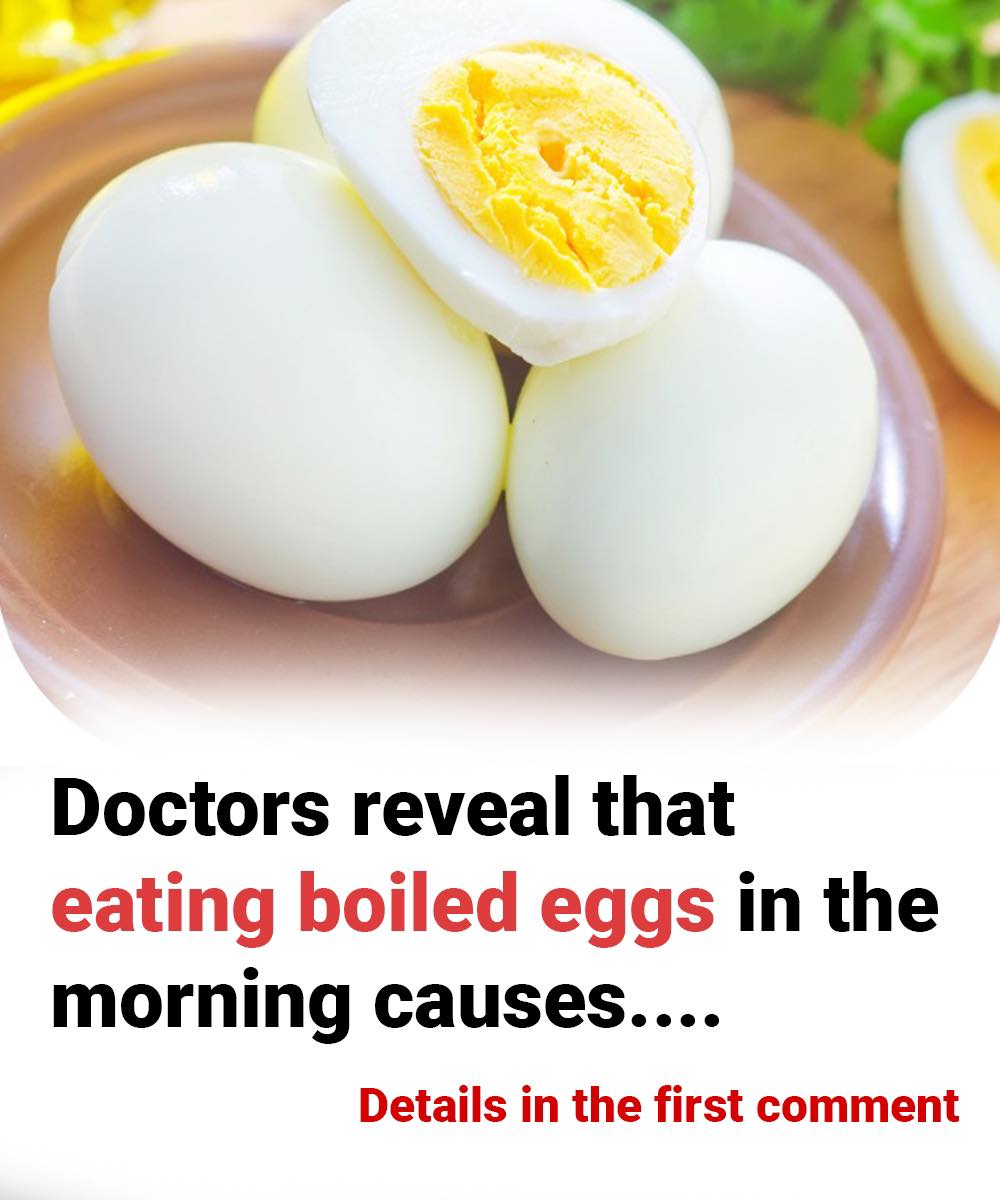
Hard-boiled eggs are more than just a flavorful, budget-friendly source of protein—they’re also a highly adaptable food that fits into countless meals and recipes. Although many people enjoy them regularly without giving much thought to their background or properties, this popular picnic and sandwich staple has plenty of interesting qualities that often go unnoticed. Below are 11 surprising facts about hard-boiled eggs, revealing lesser-known details about this familiar and much-loved kitchen essential.
Fun Facts About Hard Boiled Eggs
Many of us regularly eat hard-boiled eggs without ever stopping to think about where they come from or what makes them special. Yet beneath their plain exterior is a collection of fascinating details and unexpected benefits. Let’s take a closer look at 11 things you probably didn’t know about hard-boiled eggs.
Fact 1: Hard-boiled eggs are a favorite in the U.S.
According to a study by the food blog Pantry & Larder, hard-boiled eggs rank as the most popular way Americans prepare eggs. In fact, residents in 30 out of 50 states chose hard-boiled eggs over all other cooking styles, making them a nationwide favorite.
Fact 2: Hard-boiled eggs provide fast, high-quality protein
Protein plays a vital role in the body, and hard-boiled eggs offer a convenient, easy-to-carry source. One large egg contains about 6.3 grams of protein and includes all nine essential amino acids, classifying it as a complete protein. Whether eaten before or after exercise or as a quick breakfast, hard-boiled eggs are both filling and nutritious.
Fact 3: They may actually support heart health
Despite long-standing concerns about eggs and heart disease, a 2018 study found that people who eat eggs regularly have a lower risk of developing heart problems. Eggs contain beneficial proteins that help raise “good” HDL cholesterol and lower indicators linked to cardiovascular disease. That means hard-boiled eggs can be enjoyed without guilt.
Fact 4: Boiled eggs may contain less harmful cholesterol than other preparations
How an egg is cooked can affect its nutritional impact. High-heat methods such as frying may increase cholesterol oxidation, whereas boiling uses lower temperatures that help preserve cholesterol in a less harmful form. Because of this, hard-boiled eggs may be a more heart-friendly option compared to other cooking styles.
