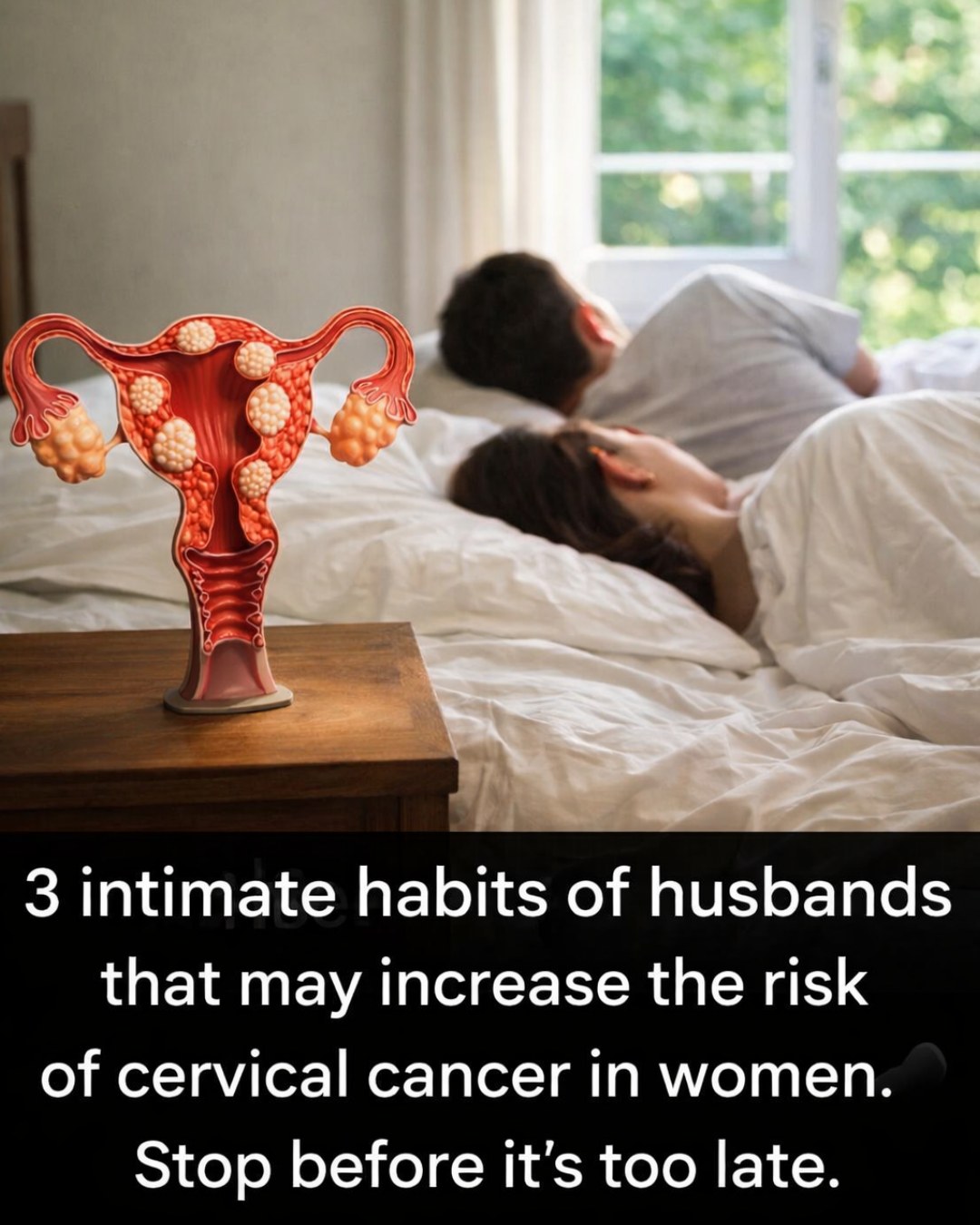
Women exposed to regular secondhand smoke may have elevated odds.
Partners who smoke could indirectly affect this through shared environments.
Quitting together or creating smoke-free spaces can make a real difference.
Here are evidence-based ways to reduce this risk:
Avoid smoking entirely.
Limit exposure to secondhand smoke at home.
Support each other in cessation programs—studies show couples quit more successfully together.
This brings us to the part many find most helpful: what you can do right now.
Actionable Steps Couples Can Take to Lower Risk
Protecting health in a relationship is a team effort. Here are practical, step-by-step tips based on guidelines from major health organizations:
Get vaccinated: The HPV vaccine is highly effective against the most common high-risk types. It’s recommended for both men and women up to age 45 in many cases—talk to your doctor.
Prioritize regular screening: Women should follow Pap and HPV testing schedules. Early detection changes everything.
Practice safer intimacy: Use barriers consistently, especially early in relationships or if concerns arise.
Maintain good hygiene: Daily gentle cleaning supports overall genital health and may help the body manage infections.
Avoid tobacco: Quit smoking and minimize secondhand exposure for better immune function.
Communicate openly: Discuss sexual histories and testing without judgment—it strengthens trust and health.
These steps aren’t about fear; they’re empowering choices that research shows can significantly reduce risks.
In Conclusion: Empowering Choices for Healthier Relationships
Cervical cancer is largely preventable with awareness, vaccination, screening, and healthy habits. While HPV is the primary driver, factors like past sexual histories, intimacy practices, and tobacco exposure can influence outcomes in partnerships.
By focusing on mutual support—vaccination, open talks, safer choices, and regular check-ups—couples can greatly lower risks and enjoy peace of mind.
The surprising insight? Many studies emphasize that male vaccination and habits benefit women too, creating a shared protective effect.
