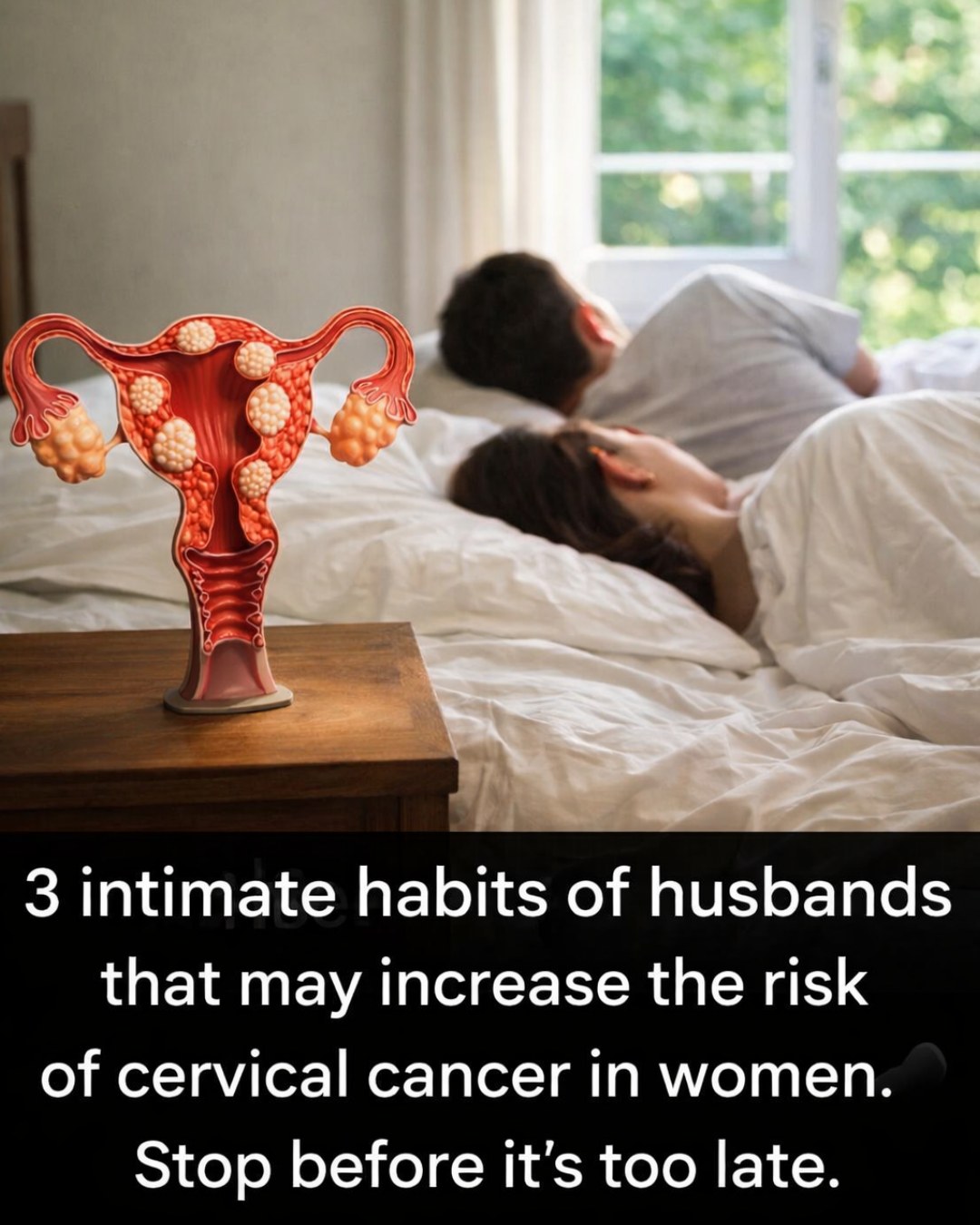
Many couples worry about how everyday choices in their relationship might impact health, especially when it comes to serious conditions like cervical cancer. This disease affects thousands of women worldwide, and while it’s often linked to a common virus, some lifestyle factors within partnerships can play a role in raising or lowering risk. Understanding these can help couples make informed decisions to protect each other.
But that’s not the whole story—there’s growing evidence pointing to specific habits that could influence outcomes, and we’ll explore them here. Keep reading to discover practical steps you can take together, including one surprising insight that many couples overlook until it’s discussed openly.
Understanding Cervical Cancer and Its Main Cause
Cervical cancer develops in the cells of the cervix, the lower part of the uterus that connects to the vagina. Nearly all cases are caused by persistent infection with high-risk types of human papillomavirus (HPV), a very common virus spread through intimate skin-to-skin contact.
Research from organizations like the World Health Organization and the American Cancer Society shows that HPV is so widespread that most sexually active people will encounter it at some point. In many cases, the body’s immune system clears the virus naturally. However, when it persists, it can lead to cell changes that may progress to cancer over time.
But HPV alone isn’t enough—other factors can make it harder for the body to fight the infection.
