Are Regulations Falling Behind?
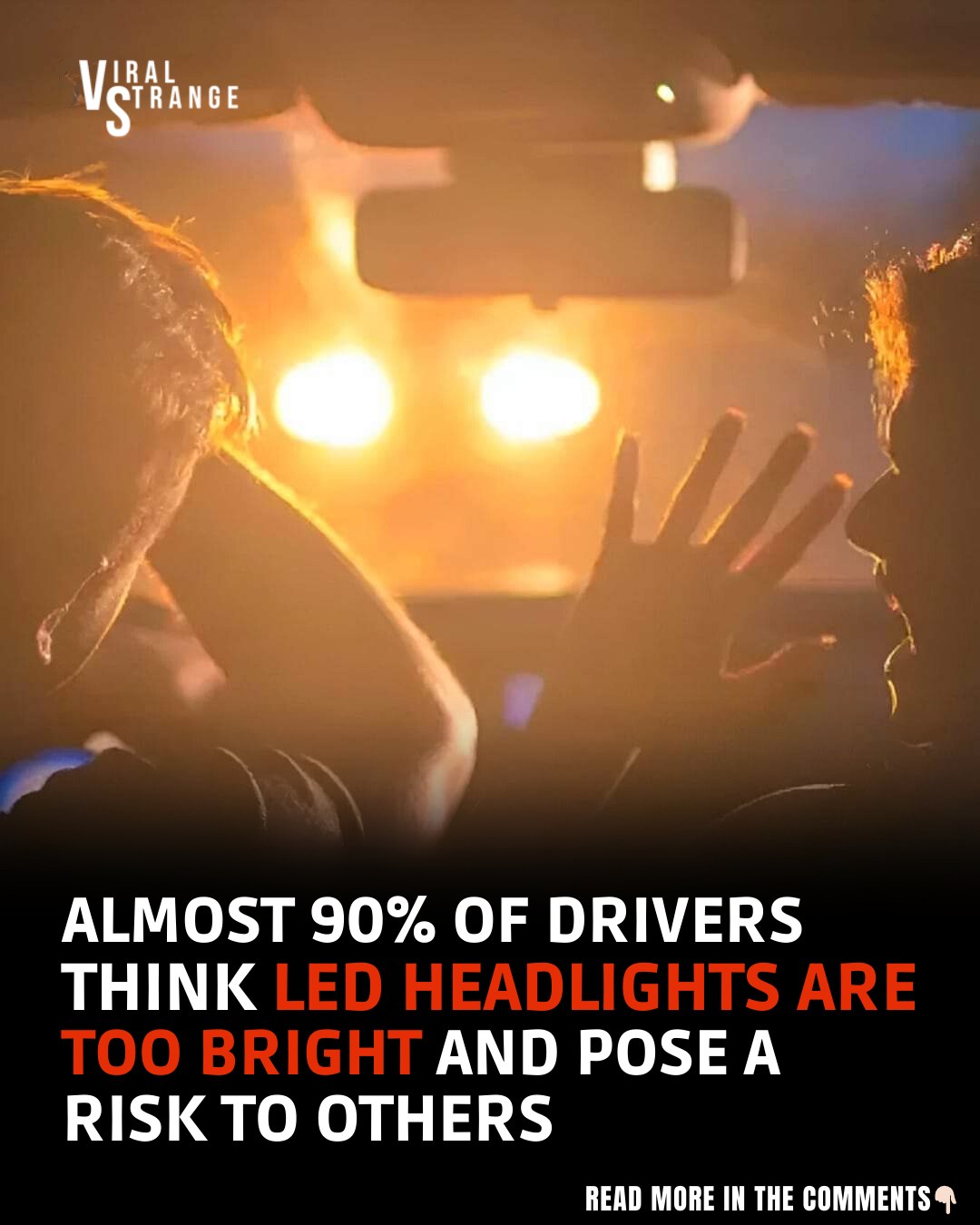
The rapid adoption of LED technology may have outpaced safety regulations. The U.S. National Highway Traffic Safety Administration (NHTSA) has received petitions urging a review of brightness limits, arguing that current standards don’t reflect real-world driving conditions.
Advocacy groups like the Soft Lights Foundation believe the issue isn’t being taken seriously enough. “Everyone is mystified by why they are being blinded,” says Mark Baker, the organization’s president.
Could Adaptive Headlights Be the Solution?
One promising development is adaptive lighting technology. These systems automatically adjust light intensity and beam direction based on road conditions, vehicle speed, and oncoming traffic—reducing glare without sacrificing visibility.
While some high-end vehicles already use adaptive headlights, they are not yet widely available, leaving most drivers dependent on standard LED setups that may be poorly aligned or overly bright.
What Drivers Can Do Right Now
Until regulations and technology catch up, experts recommend a few practical steps:
- Have headlights professionally aligned during routine maintenance
- Avoid aftermarket LED conversions not designed for your vehicle
- Dim interior dashboard lights to reduce eye strain at night
The Bottom Line
LED headlights were once celebrated as a major automotive advancement—but mounting complaints suggest they’ve created unintended safety challenges. With concerns echoed across multiple countries, the issue is no longer anecdotal.
Whether through stricter brightness standards, better enforcement, or smarter lighting systems, one thing is clear: roads need lighting that helps drivers see—without blinding everyone else.
