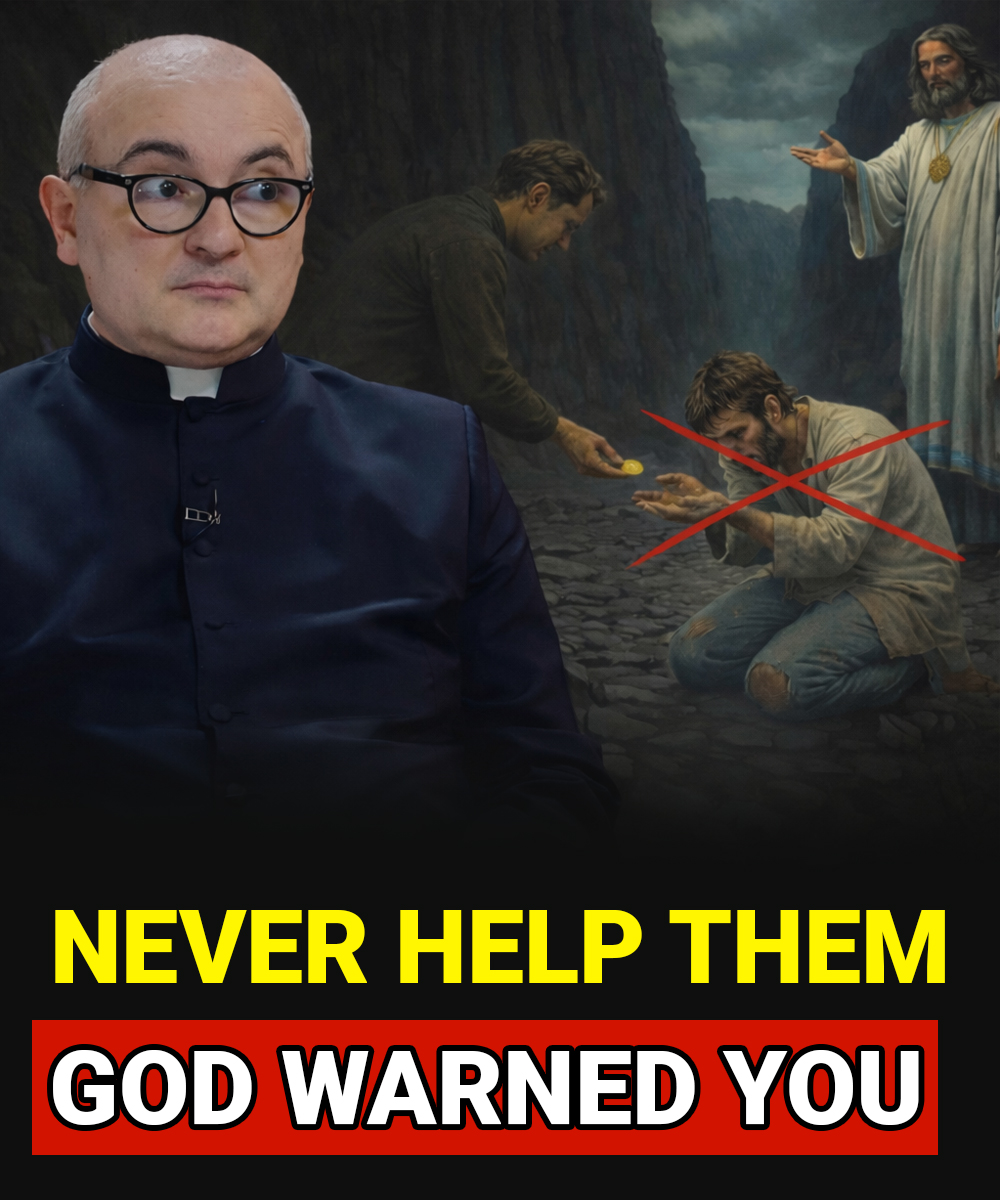
1. Those who know the truth and deliberately reject it
There are people who do not reject God out of ignorance, but by conscious choice. They know the truth, they understand it, and yet they despise it, mock it, or actively fight against it.
Insisting on helping in these cases often leads to rejection, exhaustion, and ridicule. The Bible teaches that what is sacred should not be entrusted to those who do not value it, not out of moral superiority, but out of spiritual prudence.
Believers are called to bear witness faithfully, not to convince at all costs. When the truth is consciously disregarded, withdrawing can be an act of obedience, not abandonment.
2. Those Who Use Help to Continue in Sin
Not everyone who asks for help wants to change. Some seek support only to continue as they are, without immediate consequences.
When help sustains destructive behavior—lying, abuse, immorality, or self-destruction—it ceases to be mercy and becomes cooperation with sin.
Biblical forgiveness is always accompanied by a call to conversion. Helping without demanding any change reinforces spiritual blindness.
Sometimes, withdrawing help is the only way for the person to face reality and awaken.
3. Those Who Unwilling to Take Responsibility
The Bible clearly distinguishes between those who cannot and those who will not.
Helping the needy is a commandment, but supporting the perpetually irresponsible contradicts divine wisdom.
Laziness is not always obvious. It often disguises itself as excuses, victimhood, or feigned inadequacies. Every bit of help they receive doesn’t propel them to rise up, but rather plunges them deeper into dependency.
Help that infantilizes doesn’t liberate; it enslaves. God seeks mature children, not eternally dependent ones.
4. People Who Generate Conflict and Division
There are people whose presence doesn’t build up, but rather creates disorder. Wherever they go, tensions, rumors, and constant confrontations arise.
Helping the habitually conflictive person gives them a bigger stage to continue sowing discord. The Bible teaches that, after repeated warnings, it is wise to distance oneself.
God is a God of order and peace. Withdrawing from someone experiencing conflict is not running away, but rather protecting one’s own and the community’s spiritual unity and health.
5. Those Who Despise All Correction
Correction is one of the tools God uses to shape and heal.
When someone systematically rejects all advice, helping them becomes useless and exhausting.
These people often seek help only to have someone confirm what they have already decided to do. If the advice doesn’t align with their desires, they reject it.
