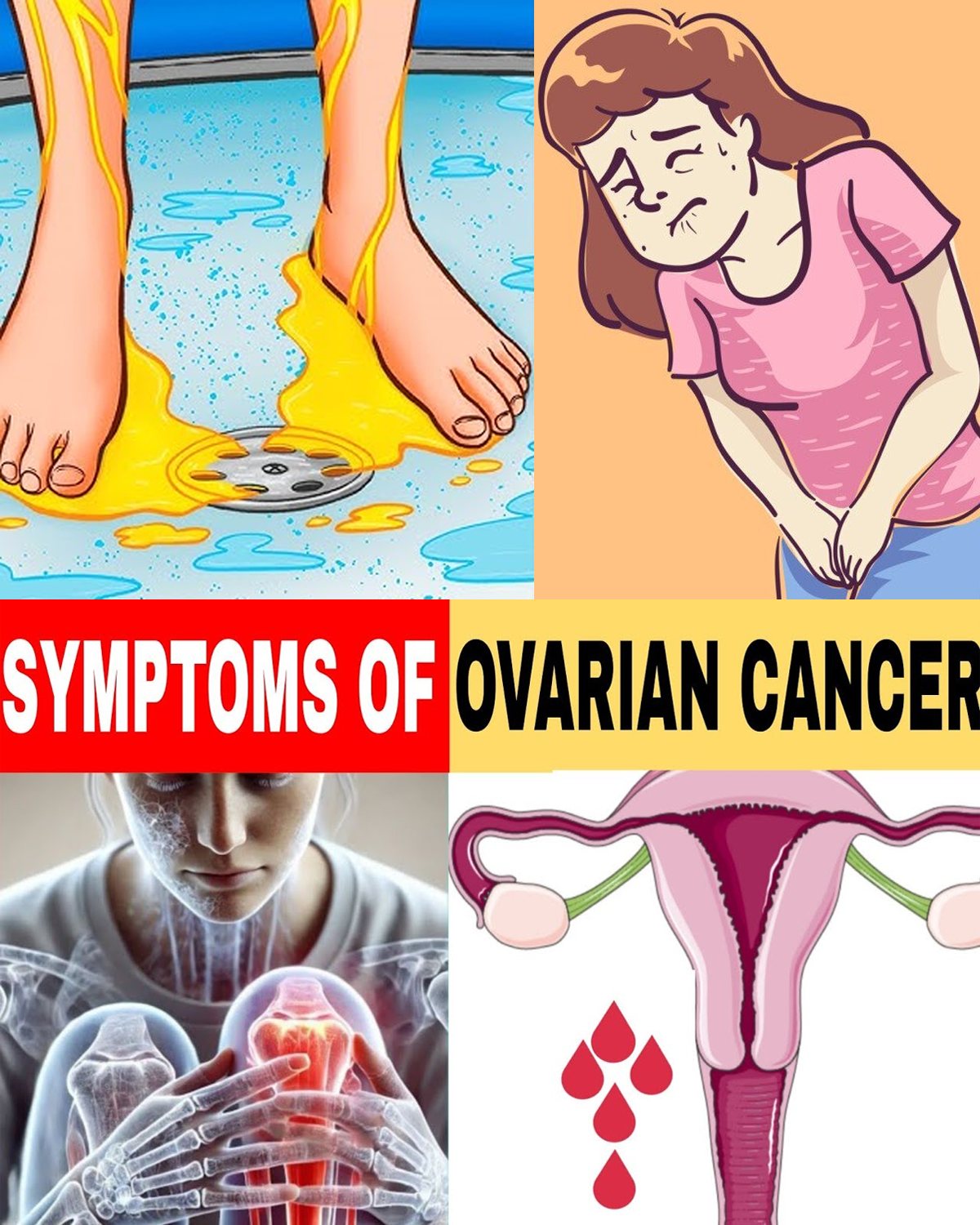
Mechanism: Pelvic masses compress bladder.
Lisa’s checkup changed everything. “No UTI—grateful I spoke up.”
Insider: Rule out infections first, but persist if ongoing.
Halfway—top 20%!
Sign 5: Unexplained Fatigue That Drains You
Ever feel bone-tired despite rest, like energy vanished overnight?
Rachel, 50, fitness enthusiast, slowed dramatically. “Exhausted mornings, no motivation—scary,” she felt lost.
Fatigue hits over half in gynecologic cancers, including ovarian.
How: Inflammation, anemia, or cancer metabolism shifts sap vitality.
Rachel regained strength post-treatment. Plot twist: Better than before.
Sign 6: Pain During Intimacy or Other Subtle Shifts
Intimacy turning painful, with deep pelvic discomfort?
Anna, 47, avoided it, blaming dryness. “Embarrassing, distant from partner,” emotional toll heavy.
Dyspareunia affects many, studies show over 40% in early stages.
Mechanism: Tumors press tissues/nerves.
Anna opened up—led to early detection.
You’ve collected all 6 signs—advanced awareness.
| Common Misattribution | Potential Ovarian Cancer Link |
|---|---|
| Bloating from food | Persistent distension/ascites |
| UTI | Urgency without infection |
| Menopause dryness | Pain during intimacy |
| Stress fatigue | Unexplained extreme tiredness |
Mid-Article Quiz: Test Your Awareness
60% mark—elite readers!
- Signs covered? (6)
- Your top concerning symptom mentally?
- Next: Action steps or risk factors?
- Rate concern level now vs start.
- Committed to health check? Yes!
Fun awareness boost. Onward—bookmark for reference.
Beyond the Signs: Understanding Risks and Early Action
For busy moms thinking “no time for worry,” data urges vigilance.
Family history or BRCA mutations elevate risk significantly.
But everything earlier isn’t the full picture—plot twist: No screening test exists, so symptom awareness is key.
