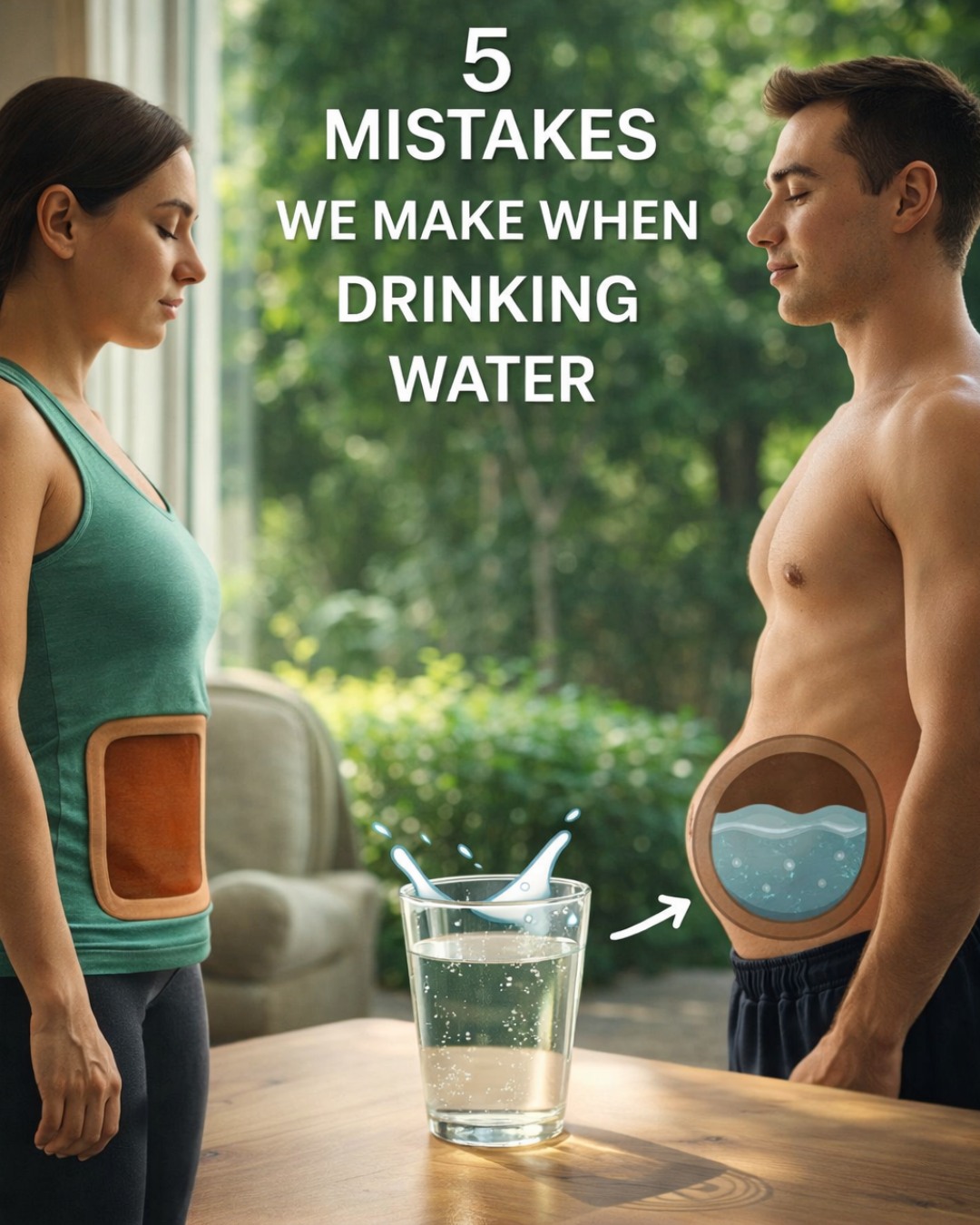
Aim to sip water regularly rather than drinking large amounts infrequently.
Keep a reusable bottle nearby and take small drinks every 20-30 minutes.
If you’re very thirsty, start with smaller sips and build up gradually.
This small change can make you feel more consistently energized.
Mistake #2: Only Drinking When You’re Thirsty
Thirst is your body’s signal that you’re already starting to dehydrate. By the time you feel thirsty, you might already be experiencing subtle effects like fatigue or reduced focus.
Experts note that thirst isn’t always the most reliable indicator, especially as we age or during physical activity. Mild dehydration can set in before thirst kicks in strongly.
Here’s the interesting part: many people underestimate how much fluid they lose through daily activities, breathing, and even talking.
Signs you might be relying too much on thirst:
Dark yellow urine (pale straw color is ideal)
Dry mouth or skin
Headaches or low energy in the afternoon
Proactively sipping water helps prevent these issues altogether.
Mistake #3: Drinking Ice-Cold Water Every Time (Especially After Meals or Exercise)
A chilled glass feels refreshing, especially in hot weather. However, very cold water can sometimes slow digestion by constricting blood vessels in the stomach.
Some studies indicate that room-temperature or slightly cool water may be absorbed faster and feel gentler on the system. Extremely cold water might also cause discomfort for sensitive teeth or sinuses.
But that’s not all—drinking ice-cold water right after eating can potentially dilute digestive enzymes temporarily, though evidence is mixed.
Better alternatives:
