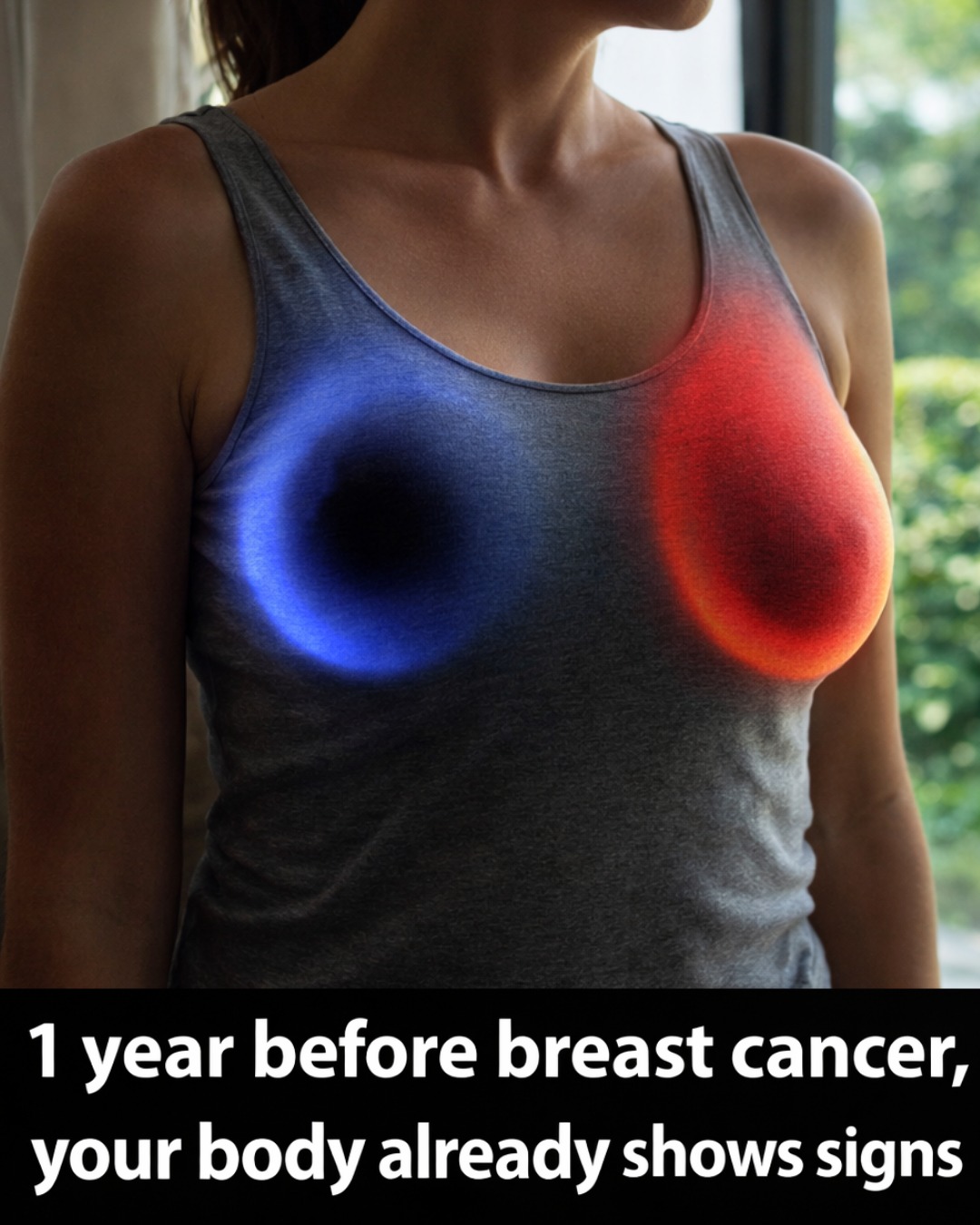
Dimpling or puckering — skin that looks a bit like orange peel (medically called peau d’orange)
Unexplained redness or rash on part of the breast that doesn’t go away
Thickening or sudden change in skin texture on one breast compared to the other
New persistent itching in a specific area of the breast skin
Many women first notice these changes when putting on a bra or while showering. Because these skin changes can also be caused by benign conditions (eczema, infection, etc.), it’s easy to brush them off. Still, if the change lasts more than 2–3 weeks and only affects one breast, it deserves professional attention.
2. Nipple Changes You Shouldn’t Ignore
The nipple and areola (the darker skin around the nipple) can give very early clues.
Watch for these nipple-related changes:
Inward pulling (inversion) of a previously normal nipple
Scaling, flaking, or crusting on the nipple or areola
New discharge from the nipple (especially if it’s bloody, clear, or only comes from one breast)
Change in direction — the nipple suddenly points in a different direction than before
Important: Discharge from both breasts that only happens when you squeeze is usually normal (especially in women who have been pregnant). One-sided, spontaneous discharge, however, is more concerning and should be checked.
