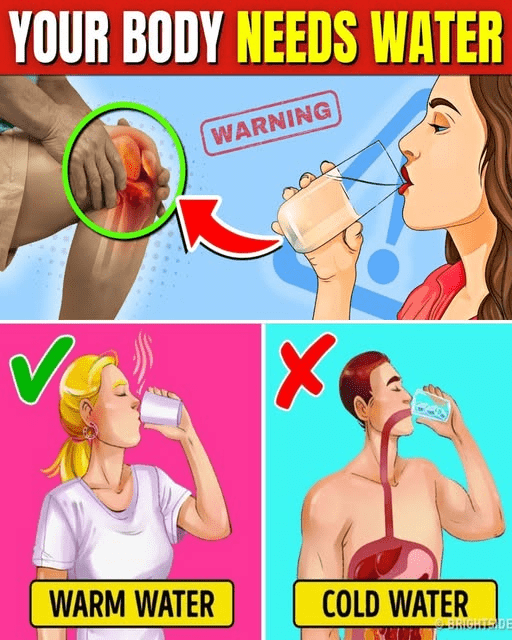
Water helps cushion and lubricate joints. Without it, movements may feel stiff or uncomfortable. Some seniors feel the difference most in the morning or after sitting. But dehydration also impacts your mood.
Sign #10: Mood Changes or Irritability
A lack of water can affect neurotransmitters. Many people feel unusually impatient, sad, or irritable. You might think it’s emotional stress, but hydration often plays a role. And your brain function continues to signal trouble.
Sign #11: Trouble Concentrating
Your brain requires adequate hydration to perform properly. Low hydration may cause fogginess or difficulty focusing. You may re-read sentences or lose your train of thought easily. But hydration also affects your muscles.
Sign #12: Muscle Cramps
Cramps in your legs, feet, or hands may indicate low fluid or electrolyte levels. Water helps muscles contract and relax smoothly. When you’re low, you may feel tight, twitchy, or painful muscle spasms. Yet your appetite reveals clues too.
Sign #13: Loss of Appetite
Some people eat less when dehydrated because their body confuses thirst with fullness. This can be more common in older adults. But your temperature control also gives signals.
Sign #14: Feeling Too Hot or Too Cold
Water helps regulate your body temperature. You might overheat easily or struggle to stay warm. This can happen even in mild weather. But your heart reveals more.
Sign #15: Faster Heartbeat or Palpitations
Dehydration may affect circulation. Some seniors notice their heart beats harder or faster during mild activity. While hydration may play a role, always consult a professional if symptoms persist. And finally, one sign many never connect to hydration.
Sign #16: Dry, Itchy Eyes
If your eyes feel gritty or irritated, especially in the afternoon, dehydration may be contributing. Many mistake this for allergies or screen strain. Sometimes your body simply needs more water.
